

Protecting your home from storms is important, but could the right hurricane protection also offer long-term benefits?
Living on Florida's Treasure Coast means enjoying beautiful beaches, warm weather, and coastal living. It also means being prepared for hurricane season.
Whether you live in Port St. Lucie, Stuart, Jensen Beach, Vero Beach, or another Treasure Coast community, protecting your home from severe weather is an important part of homeownership.
Two popular options are hurricane shutters and impact-resistant windows. Both can provide valuable protection, but they differ in cost, convenience, appearance, and maintenance.
And there's another consideration homeowners sometimes overlook: Could investing in hurricane protection make your home more attractive to future buyers?
Let's look at the differences and what you should consider before making an investment.
Hurricane Shutters: Reliable Protection with Several Options
Hurricane shutters are designed to protect windows and other openings from windborne debris during severe storms. They come in several styles, each offering different levels of convenience and cost.
Common options include:
- Accordion shutters: Permanently installed shutters that unfold across windows and doors when needed.
- Roll-down shutters: Shutters that can be lowered manually or with a motorized system.
- Storm panels: Removable aluminum, steel, or other approved panels installed before a storm.
- Bahama and colonial shutters: Decorative options that can complement a home's exterior while providing storm protection when properly rated and secured.
Advantages of Hurricane Shutters
More budget flexibility. Depending on the type selected, shutters can be a less expensive option than replacing every window with impact-resistant glass.
Multiple styles. Homeowners can choose between removable, permanently mounted, manual, and motorized systems.
Effective storm protection. Properly rated, installed, and secured shutters can help protect vulnerable openings from windborne debris.
Potential Drawbacks
Shutters generally require some level of preparation before a storm. Depending on the system, that could mean closing accordion shutters, lowering roll-down shutters, or installing individual panels.
Removable panels also need storage space, and some systems require ongoing maintenance to ensure they're ready when needed.
For homeowners who travel frequently, own a seasonal residence, or simply want fewer tasks before a hurricane, convenience may be an important consideration.
Impact Windows: Protection Without the Extra Preparation
Impact-resistant windows are engineered to withstand specified wind pressures and impacts from windborne debris when properly rated and installed.
Unlike shutters, impact windows provide protection without requiring homeowners to install or close coverings before a storm.
Advantages of Impact Windows
Everyday convenience. There's no need to install panels or close shutters when a storm approaches.
Potential noise reduction. Many impact window systems can help reduce outside noise, depending on their construction.
Possible energy-efficiency benefits. Certain impact window products can improve insulation or reduce solar heat gain, although results depend on the glass, frame, installation, and other factors.
A clean exterior appearance. Homeowners who prefer unobstructed windows may appreciate not having visible shutter systems.
Potential Drawbacks
Impact windows generally require a larger upfront investment than many shutter options, particularly when replacing windows throughout an entire home.
Installation may also involve more extensive work, depending on the age and condition of the existing windows.
And while impact windows offer valuable protection, they're not indestructible. Homeowners should understand the specific ratings and limitations of the products they select.
Hurricane Shutters vs. Impact Windows: Which Costs More?
For many homeowners, budget is one of the biggest factors in choosing between shutters and impact windows.
Storm panels are often among the more economical options, while motorized roll-down shutters and whole-home impact window replacements can represent significantly larger investments.
However, comparing the initial price alone doesn't tell the whole story.
Consider how long you plan to stay in your home, the maintenance each option requires, and how much you value convenience.
For example, if you frequently travel during hurricane season, the ability to leave your home without worrying about installing storm panels may be worth the additional investment.
On the other hand, if your existing windows are in good condition and you're looking for a more affordable way to improve storm protection, shutters may be the more practical choice.
Neither option is automatically better for every homeowner.
Could Hurricane Protection Help Lower Your Homeowners Insurance?
Here's something worth investigating before you make a decision: Qualifying hurricane protection may help you become eligible for wind-mitigation credits on your homeowners insurance.
In Florida, a wind-mitigation inspection evaluates certain construction features designed to help a home withstand severe winds.
And it's not just about the windows.
An inspection may consider features such as:
- Roof covering and construction
- How the roof decking is attached
- Roof-to-wall connections, including qualifying hurricane clips or straps
- Roof shape and secondary water-resistance features
- Protection for windows, exterior doors, sliding glass doors, skylights, and garage doors
An important detail is that insurers evaluate the protection of the home's openings, not simply whether some windows have shutters or impact glass.
For example, installing impact windows while leaving other openings without qualifying protection may affect the credits available.
Does that mean new shutters or impact windows automatically lower your insurance premium?
Not necessarily.
Potential credits depend on the home's verified features, the insurance company's requirements, the applicable rating rules, and the documentation provided.
Before investing in upgrades primarily for insurance savings, speak with your insurance agent about what may qualify and whether a wind-mitigation inspection would be beneficial.
Can Hurricane Protection Increase Your Home's Resale Value?
This is where hurricane protection becomes especially interesting from a real estate perspective.
While no home improvement guarantees a particular return on investment, hurricane shutters and impact windows may make a property more appealing to prospective buyers.
Think about it from a buyer's point of view.
Imagine two homes with similar layouts, locations, and features. One has little or no existing hurricane protection, while the other has professionally installed, qualifying impact windows or shutters.
A buyer might be willing to pay more for the protected home because it's one less major improvement to consider after moving in.
Others may appreciate the convenience, appearance, or possibility of insurance savings.
Of course, not every buyer will place the same value on hurricane protection. Market conditions, the home's overall condition, the type and age of the protective systems, and the asking price all play a role.
The key distinction is that hurricane protection can be a desirable selling feature without guaranteeing a higher sale price.
If you're considering selling your home in the future, it's worth discussing potential improvements with a local Realtor before investing in major upgrades.
Don't Forget the Rest of Your Home
Windows are important, but they're only one part of hurricane preparedness.
Your garage door, exterior entry doors, roof, and other structural features also play a role in how your home handles severe weather.
In particular, a garage door that isn't adequately rated for high winds can be a significant vulnerability.
Before investing heavily in one improvement, consider having a qualified professional evaluate your home's existing protection and identify areas that may need attention.
A more comprehensive approach can help you make informed decisions about where to spend your money.
So, Which Option Is Right for Your Treasure Coast Home?
The answer depends on your priorities.
Hurricane shutters may make sense if:
- You're looking for a more budget-conscious solution.
- Your existing windows are in good condition.
- You don't mind preparing your shutters when storms approach.
- You want flexibility in the type of protection you install.
Impact windows may make sense if:
- You prefer protection that doesn't require storm-by-storm setup.
- You're already planning to replace aging windows.
- You value potential noise reduction and other everyday benefits.
- You're comfortable making a larger upfront investment.
Whichever option you choose, work with qualified professionals who understand the applicable Florida Building Code requirements and local permitting procedures.
Keep your installation records, permits, product approvals, and inspection documentation. These may be useful for insurance purposes and when you eventually sell your home.
Protecting Your Home Today and Planning for Tomorrow
Hurricane protection is about more than preparing for the next storm. It's also about making thoughtful improvements that fit your lifestyle, budget, and long-term plans.
Whether you're considering shutters, impact windows, or another home improvement, understanding how those features may influence buyer appeal can help you make more informed decisions.
And if you're thinking about selling your Treasure Coast home, knowing which improvements matter to local buyers is an important part of planning your next move.
Thinking about selling your home in Port St. Lucie, Stuart, Jensen Beach, Vero Beach, or the surrounding Treasure Coast communities?
Emma Torres can help you understand local market conditions, evaluate your home's selling points, and prepare for a successful sale.
Connect with Emma Torres to discuss your real estate goals.
FROM OUR BLOG
Should You Renovate Before Selling Your Home?
You’re thinking about selling your home, and suddenly you’re looking at everything differently. The paint color you’ve lived with for years suddenly feels dated. The kitchen cabinets are starting to bother you. That light fixture you stopped noticing a long time ago? Now you’re wondering if buyers w
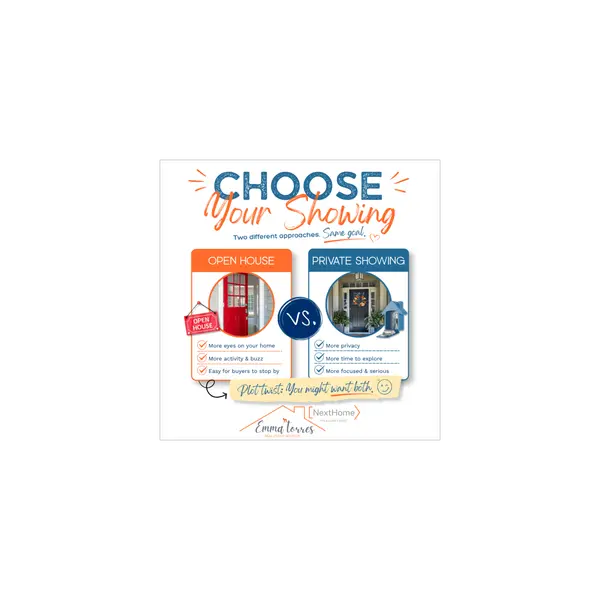
Open House vs. Private Showing: Which Is Better When Selling Your Home?
When you're getting ready to sell your home, there's a lot to think about. Pricing, photos, staging, marketing... and, of course, how buyers are actually going to see it. That brings up a common question: Is it better to host an open house or rely on private showings? The answer isn't necessarily on

Local Events and Festivals That Make the Treasure Coast Unique
The Treasure Coast is not just a place to live, it is a place to belong. Between the ocean breeze, small town charm, and that “everyone knows everyone” energy, our community really shines when we come together for local events. If you are new to the area, thinking about moving here, or you have li